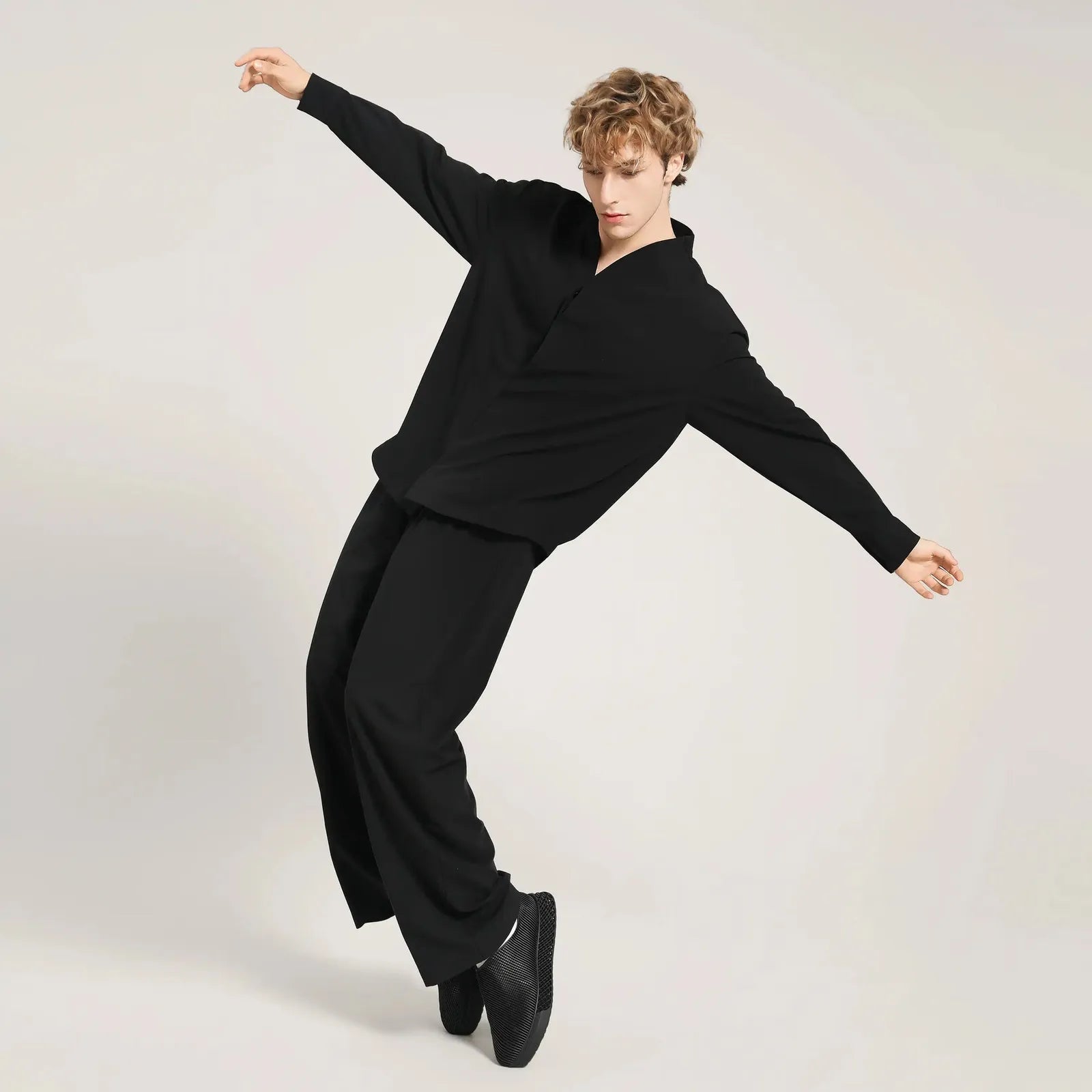
It is the first question everyone asks: shoes printed from resin — are they actually comfortable? Short answer: yes, but they feel different from foam, and it helps to know what to expect.
Lattice cushioning feels springy, not squishy
Foam cushions by compressing; over months it packs down flat. A printed lattice cushions by flexing — thousands of tiny struts bend and rebound with every step. On foot that reads as a springy, supported feel rather than a soft sink-in. Because the struts flex instead of compressing, the ride stays consistent long after foam would have gone dead.
They run cooler than ordinary shoes
Most of a lattice is open air. Heat and moisture escape with every step instead of being trapped in foam and fabric. Wearers in Dubai routinely tell us this is the single biggest difference — feet stay noticeably cooler and drier, even without socks. And since the material absorbs nothing, odour has nowhere to live: rinse the pair under a tap and it is fresh again.
There is almost no break-in
With no stiff panels to soften and no seams to rub, a printed shoe feels on day one about how it will feel in month six. The one adjustment is the texture: a lattice sole announces itself a little on first wear. Most people stop noticing within a day.
Getting the fit right matters more than usual
One honest warning: our sizes run differently from other brands, so do not order your usual size by habit. Measure your foot and use the size chart on each product page — it maps foot length and width to the right size, and shows the usual-size equivalent for reference. If a pair still is not right, returns are free across the UAE within 14 days — see the return policy.
Try one of these first
The Aeroraise is the best all-rounder for walking and running; the AeroCloud slipper is the easiest way to try the feeling at home. Both ship free across the UAE — delivery details.
What the first week actually feels like
Day one usually feels unfamiliar rather than uncomfortable. Foam trainers press a padded lining against the whole foot; a printed lattice supports it at thousands of small points instead, so you notice the structure under the arch and heel more. Most people stop noticing by the third or fourth wear. There is no break-in in the traditional sense, because there are no stiff panels or glued seams that need to soften — what changes is your expectation, not the shoe.
Socks or no socks
Both work, and this is largely personal. Without socks the lattice sits directly against the skin and you feel the airflow more, which is the point in summer. With thin socks the texture disappears entirely and the fit becomes slightly snugger — worth accounting for if you are between sizes.
Where they are less comfortable
They are not the right shoe for everything, and it is worth being straight about that. Long-distance running on hard ground still favours a dedicated running shoe with deep foam. Rough trails with sharp stones can cut a lattice. Very cold weather is the opposite of their strength — the same open structure that keeps feet cool in a Dubai summer offers no insulation at all.
Comfort depends on sizing more than anything else
A printed shoe in the wrong size is uncomfortable in a way a forgiving fabric trainer would hide. These are sized by actual foot length and tend to run large — someone who usually wears EU 37 often needs a 36. Measure your foot against the size guide on the product page rather than ordering your usual number, and size down if you are between sizes.
More on fit, washing and durability in the 3D printed shoes FAQ, or compare our full range of 3D printed shoes — including the 3D printed sneakers — to find your pair.