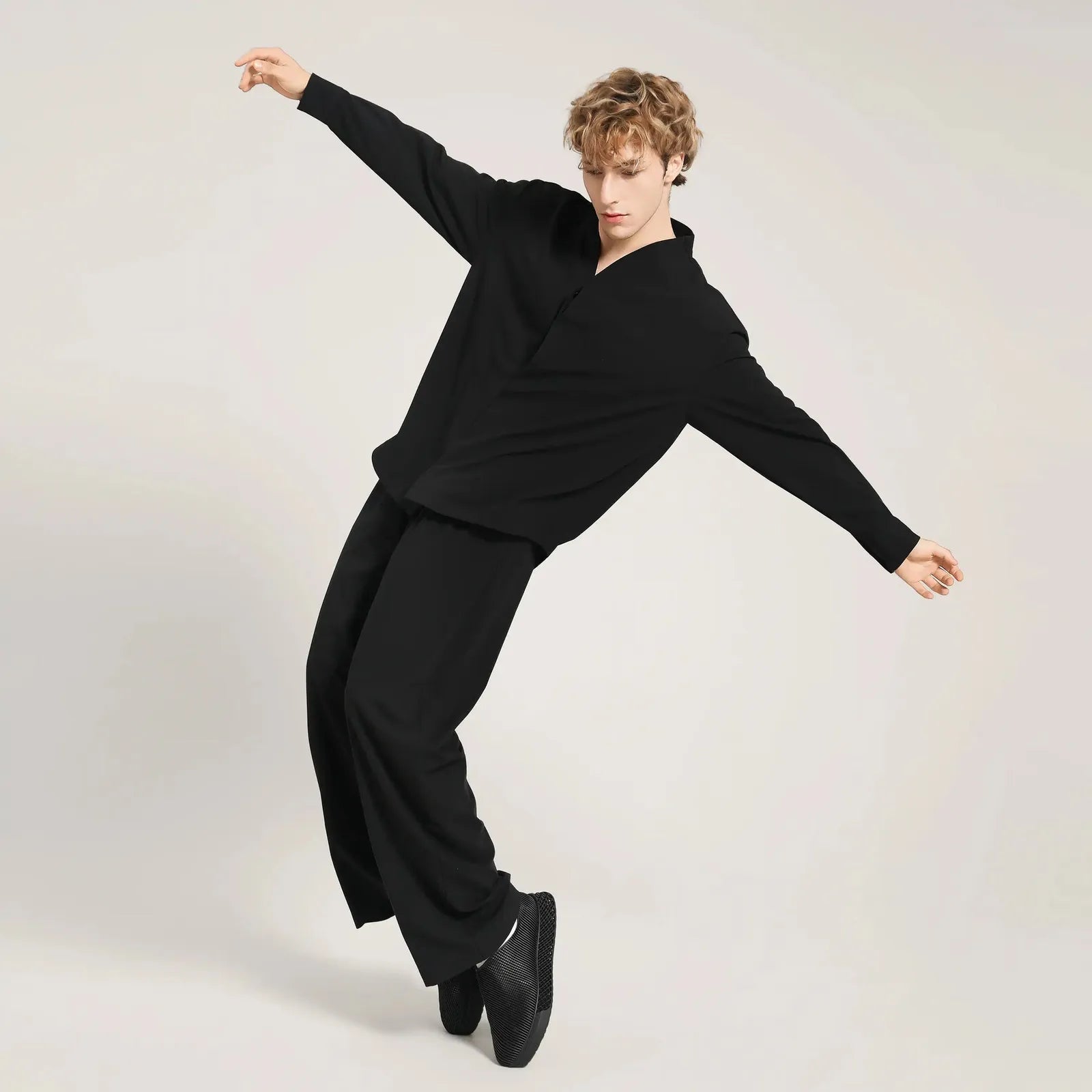
3D printed footwear has moved from prototype to product — but finding it in the Gulf has meant importing from abroad, paying heavy shipping, and hoping the sizing worked out. That is the gap XTRUDE was built to close: we are the region's dedicated 3D printed footwear store, based in Dubai.
What you can buy today
- 3D printed sneakers — the Aeroraise for running and daily wear, and the Leisure Path for casual days.
- 3D printed slippers — the AeroCloud, an airy one-piece slipper made for Gulf summers.
- Kids' 3D printed shoes — the Guardian Orbit, printed in one piece with no seams to split.
Every model is from Nexbie, a leader in DLP-printed footwear, and every pair is printed as a single seamless lattice — breathable, washable, and durable in a way glued shoes cannot match. Curious how that works? Read how 3D printed shoes are made.
Delivery in the UAE and across the GCC
Orders ship free across the UAE, typically arriving within 2–4 business days. Saudi Arabia, Qatar, Kuwait, Bahrain and Oman are covered at a flat AED 30, arriving in 3–6 business days. Some sizes are printed to order — marked clearly on the product page — and take around 15 business days before dispatch. Full details on the delivery page.
Sizing and returns, without the import risk
Buying printed footwear from overseas usually means guessing your size and eating the return shipping if you guess wrong. Locally it works the way it should: measure your foot against the size chart on each product page (our sizes are chosen by foot length and width, not your usual size), and if the fit is not right you have 14 days to return or exchange, free within the UAE — see the return policy.
Start with the sneaker collection, or read the story behind XTRUDE.
Why the climate makes the difference here
3D printed footwear suits the Gulf better than most places, and the reason is structural rather than marketing. The open lattice moves air across the foot instead of trapping it, and with no fabric lining there is nothing to absorb sweat during a humid afternoon. Moving between 24°C air conditioning and 40°C outside is exactly the cycle that makes ordinary trainers damp and start to smell; a printed shoe has no absorbent layer for that moisture to collect in.
Beach, pool and sand
Sand rinses out of a lattice rather than working into a lining, and the open structure drains as you walk instead of holding water. A rinse under a tap and a few minutes in the air is the whole cleaning routine — which is why these tend to replace both the beach sliders and the shoes people keep in the car.
Buying locally rather than importing
Most 3D printed footwear brands ship from the US or Europe. That means import duty, customs handling and delivery measured in weeks, and returns that cost more than they are worth if the size is wrong. Ordering inside the UAE avoids all of it: delivery is free anywhere in the country and returns stay open for 14 days, so getting the size wrong is recoverable.
Getting the size right the first time
This is the one thing worth slowing down for. These are sized by foot length in centimetres rather than by your usual shoe size, and they run large — a usual EU 37 is often a 36 here. Measure your foot against the guide on the product page before ordering, and size down when you fall between two.
Start with the sneakers for everyday wear or the slippers for pool and recovery, and see the FAQ for washing and durability.